Your dog doesn’t check the calendar—but they feel every change. The heat of summer, the chill of winter, the burst of spring energy, the calm of fall… each season quietly reshapes their behavior, mood, and needs.
And here’s the truth most dog owners miss: if your training stays the same all year, your dog struggles more than they should.
Because great dog ownership isn’t just about consistency—it’s about adaptation.
Spring: When Energy Comes Back to Life
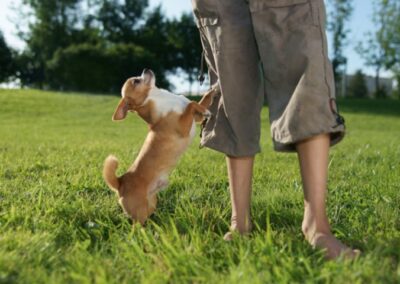
Spring is when everything wakes up—including your dog. Longer days, warmer air, new smells… it’s like flipping a switch inside them. Suddenly, they’re more energetic, more curious, and sometimes a little harder to focus.
This is your window to lean in, not pull back.
Use that energy to your advantage. Introduce new commands. Practice recall in open spaces. Add agility-style games that challenge both body and mind. Spring is one of the best times to level up your dog’s training routine.
But there’s a catch—spring isn’t all sunshine. Allergies, ticks, and fleas start creeping in. If your dog is scratching more or losing focus, it might not be stubbornness—it might be discomfort. Stay observant.
Because a comfortable dog learns faster.
Summer: When Safety Becomes the Priority
Summer feels like freedom—long walks, beach days, outdoor play. But for dogs, it’s also the riskiest season.
Heat exhaustion doesn’t build slowly—it hits fast.
That’s why your training schedule needs to shift. Early mornings. Late evenings. Never the blazing midday sun. Hydration becomes part of training, not an afterthought.
And here’s something many overlook: the ground. Pavement can burn paws in seconds. Adjust your walking routes or stick to grass whenever possible.
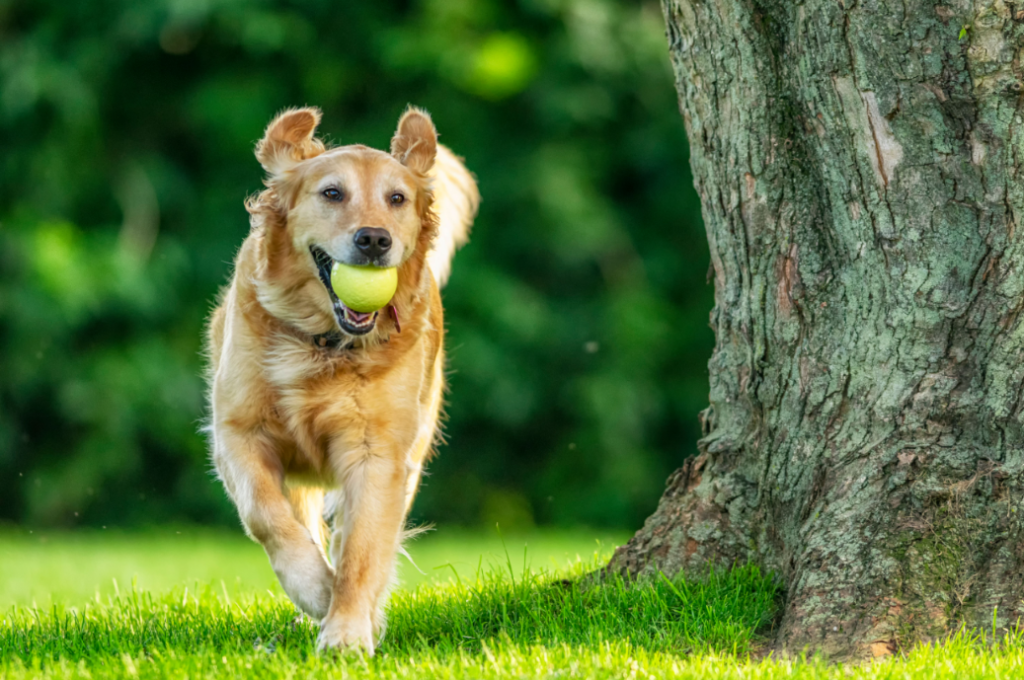
If you want to keep things fun, swap intense drills for water-based play. Swimming, splash games, or even backyard hose time can keep your dog active without overheating.
Summer training isn’t about pushing harder—it’s about training smarter.
Autumn: The Perfect Training Window
If there’s a “sweet spot” for dog training, this is it.
Cool air. Fewer extremes. Balanced energy.
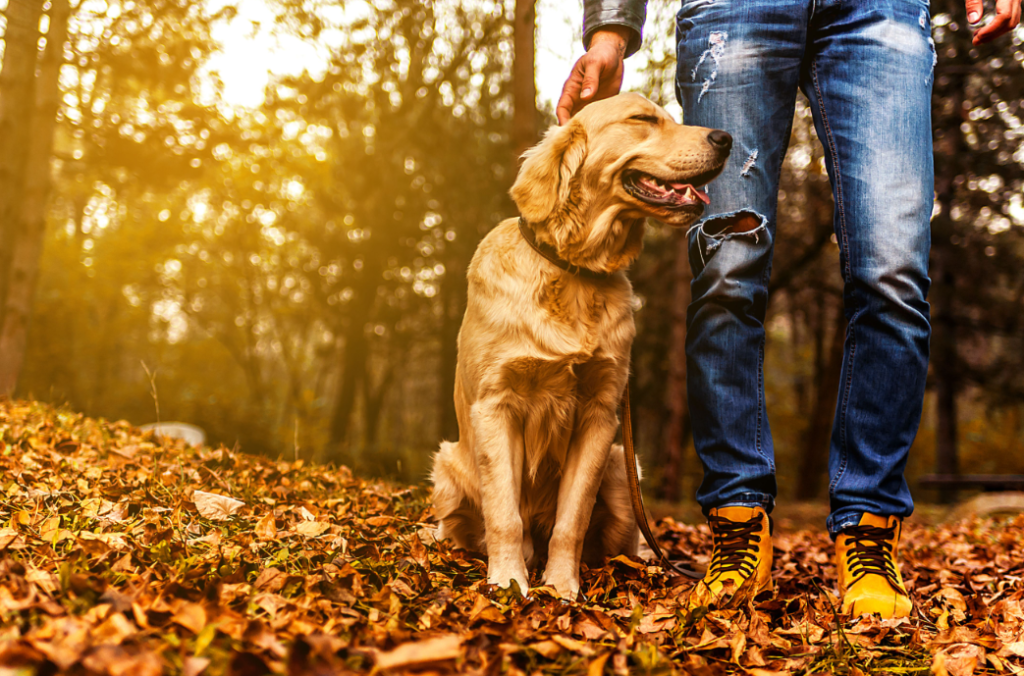
Autumn is where everything clicks. Your dog isn’t overheated, not freezing, and distractions—like falling leaves—create the perfect environment to strengthen focus.
This is the season to refine.
Sharpen recall. Reinforce basic commands. Extend walk distances. Build endurance.
But don’t ignore one key shift: shorter days. Visibility becomes a real concern. Reflective gear or lighted collars can make the difference between safe and risky evening walks.
Autumn rewards consistency. It’s where good dogs become great dogs.
Winter: When Training Moves Inside
Winter changes everything.
Cold air, shorter days, less outdoor time—it can leave dogs restless, bored, and bursting with unused energy. And when that energy has nowhere to go? It turns into chewing, barking, or destructive behavior.
This is where many owners fall off.
Don’t.
Shift your focus indoors. Mental stimulation becomes your best tool. Puzzle toys, obedience refreshers, scent games—these aren’t “extras.” They’re essential.
For outdoor time, adjust—not eliminate. Some dogs need jackets. Others thrive in the cold. Know your dog, not just the weather.
And always check their paws. Ice, salt, and freezing surfaces can do real damage if ignored.
Winter training isn’t about less—it’s about different.
The Secret Most Dog Owners Miss
Here’s what ties it all together:
Your dog doesn’t need a perfect routine. They need a flexible one.
Seasonal changes affect everything—energy levels, behavior, even emotional stability. Heat can drain them. Cold can frustrate them. Loud holidays or sudden schedule changes can create stress and anxiety if you’re not prepared.
That’s why the best dog owners do three things consistently:
- They adjust routines instead of forcing them
- They watch behavior closely for subtle changes
- They stay consistent with expectations, even when conditions change
Because while the environment shifts, your dog still looks to you for guidance.
One Rule That Never Changes
No matter the season, one principle stays the same:
Consistency builds confidence.
Training doesn’t have to be long. It doesn’t have to be perfect. But it has to be regular. Short sessions. Clear rewards. Positive reinforcement.
That’s what keeps your dog grounded—even when everything else is changing.
A Better Year Starts Here
When you start thinking seasonally, everything improves.
Your dog listens better.
Behaves better.
Feels better.
Because you’re no longer working against their environment—you’re working with it.
Four seasons. One happy, well-trained dog.
That’s the goal.