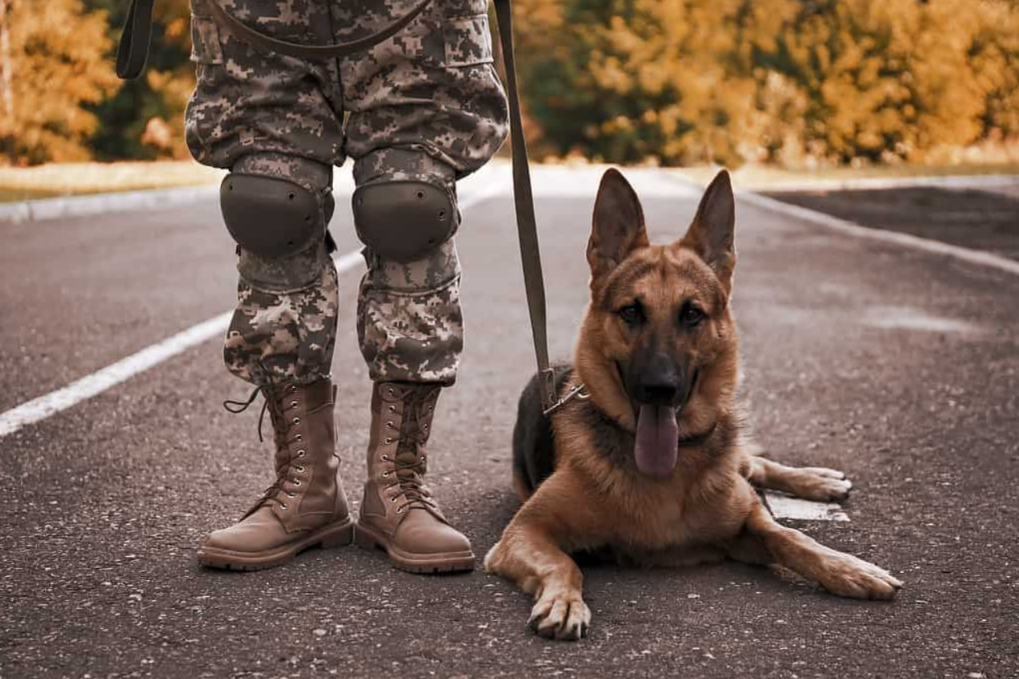
When we think of heroes, we often picture the brave men and women who serve in uniform. But there’s another group of heroes who deserve just as much recognition — the four‑legged warriors who have served alongside troops in conflicts going back generations.
These canine partners have not only shared the dangers of the battlefield but have saved countless lives with skills humans simply can’t match.
The formal use of dogs in the U.S. military dates back to March 13, 1942, when the Army began the official War Dog Program to train dogs for combat roles.
This date later became known as K9 Veterans Day, a time to honor the courage and sacrifice of military working dogs (MWDs) and recognize their extraordinary contributions.
Before that official program, dogs were already proving themselves in military service.
In World War I, dogs known as messenger dogs carried supplies and messages between units under fire; one of the most famous was Sergeant Stubby, a pit‑bull mix who alerted soldiers to gas attacks and even caught a spy, earning a place in parades back home.
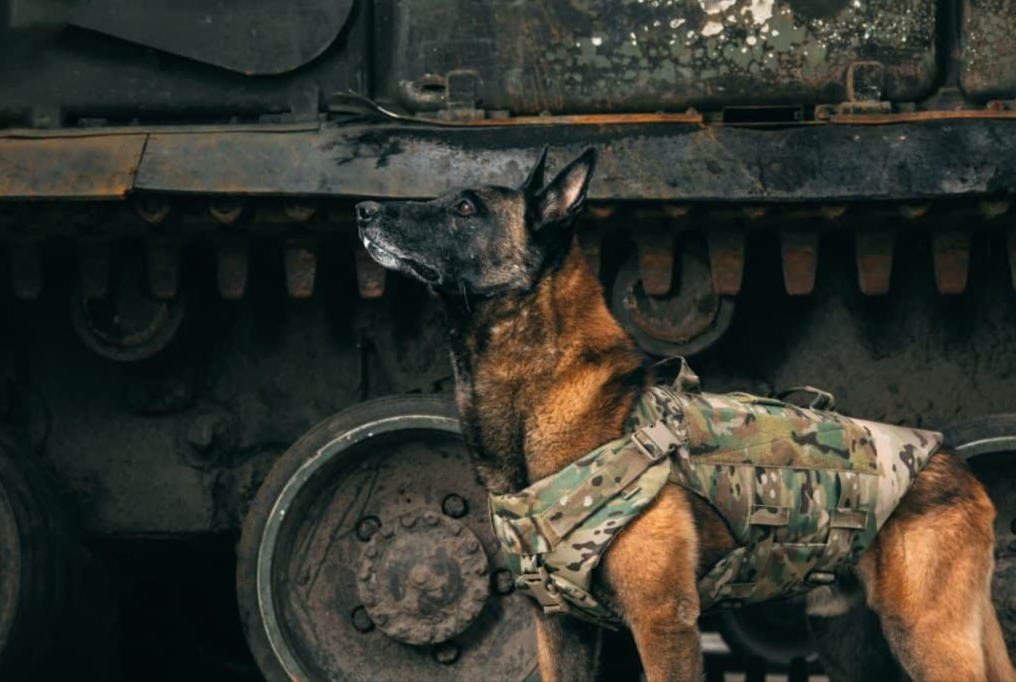
During World War II, the role of military dogs expanded dramatically. Dogs delivered critical messages, located landmines, performed scouting missions, and acted as sentries on guard duty.
In the decades that followed, military working dogs served in Korea, Vietnam, Iraq, and Afghanistan — each conflict highlighting how vital these animals are for saving human lives and protecting troops.
Modern MWDs are highly trained specialists. They employ extraordinary olfactory and sensory abilities to detect explosives, narcotics, and other threats that would be nearly impossible for humans to locate on their own.
Some dogs are trained for patrol and reconnaissance, while others locate wounded soldiers, alert teams to danger, or assist in search‑and‑rescue operations.
These canine partners aren’t just effective — they build deep emotional bonds with their handlers. Service dogs and handlers often live, work, and rest together in challenging environments.
That bond is built on mutual trust, communication, and shared experience — a partnership that has led to countless lives being saved.
But the story doesn’t end when the war is over. Many retired military dogs face challenges transitioning to civilian life, and some even struggle with post‑traumatic stress — an issue similar to that experienced by human veterans.
Organizations across the country work to rehabilitate and rehome retired MWDs, including prioritizing adoption by their former handlers whenever possible.
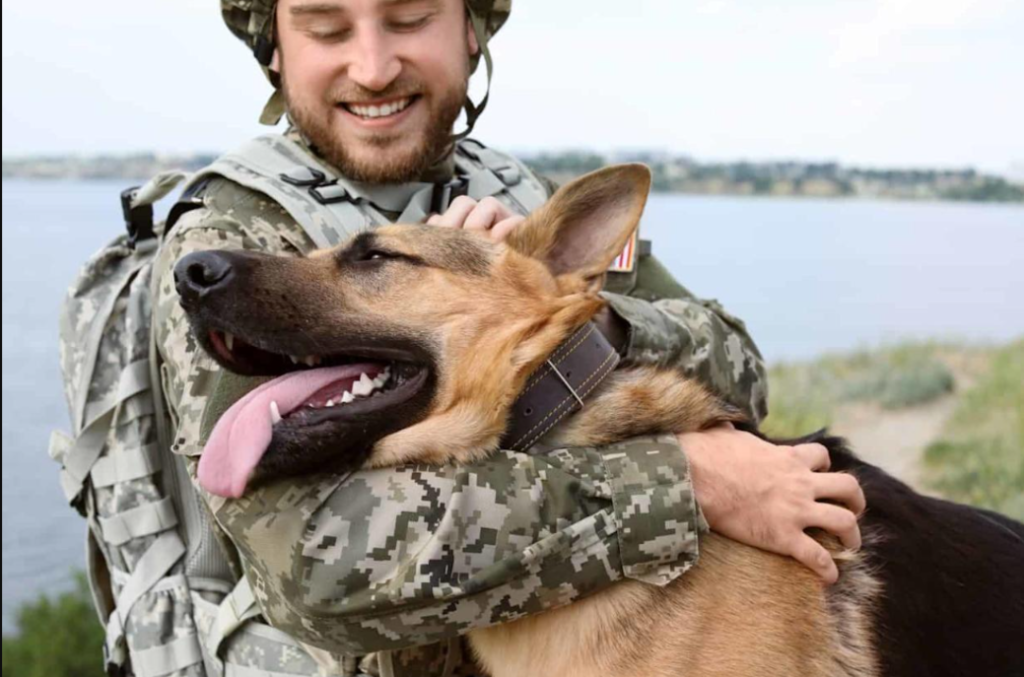
Beyond adoption and rehabilitation efforts, there are memorials, recognition events, and programs designed to ensure service dogs are honored for their sacrifices.
These events remind us that these animals are not just tools of war — they are partners whose contributions extend far beyond the battlefield.
The legacy of military working dogs is one of loyalty, strength, and courage. From the mud of early battlefields to modern combat zones, these dogs have risked their lives to protect others.
They’ve sniffed out danger, alerted troops to hidden threats, and offered comfort in moments of fear and chaos.
Their stories — like those of Sergeant Stubby and the modern detection dogs who patrol today’s war zones — remind us that heroism doesn’t always walk on two legs.
Sometimes it comes on four, ready to follow a handler into danger and stand guard until the job is done.
As we honor human veterans for their service, it’s equally important to remember and celebrate the canine heroes whose loyalty, bravery, and service have helped shape military history.
Their legacy is part of our shared story of courage — and their contributions deserve our deepest gratitude and respect.
ALL the stories you publish are so beautiful !
All of God’s beautiful babies are so special 💕