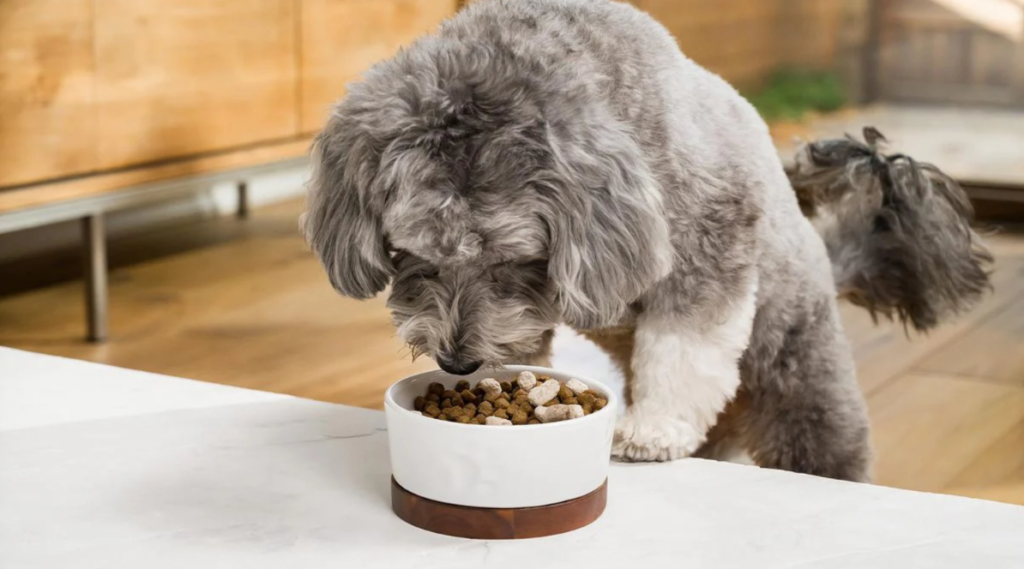
Every dog owner wants the same thing.
A long, healthy life for the dog they love.
But when it comes to nutrition, that goal gets complicated—fast.
Walk into any pet store, scroll through social media, or talk to other dog owners, and you’ll hear it all:
Grain-free is better.
Raw is more natural.
Homemade is healthier.
It sounds convincing.
It sounds right.
But a lot of it… isn’t.
The truth is, pet nutrition is one of the most misunderstood parts of caring for a dog. Not because people don’t care—but because there’s too much conflicting advice, and not enough clarity.
So let’s break it down.
The first myth is one of the most common:
That dogs are strict carnivores.
It makes sense on the surface. Dogs eat meat. They have sharp teeth. Their ancestors hunted.
But modern dogs aren’t wolves.
They’re omnivores—meaning they can process and benefit from a mix of meat, vegetables, and even grains.
Protein still matters. A lot.
But it’s not the only thing that matters.
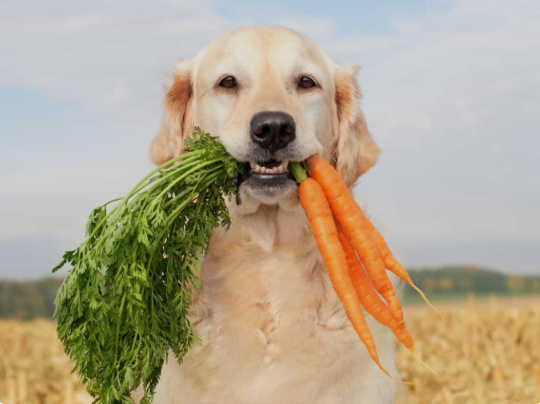
Then there’s the belief that grain-free diets are automatically healthier.
This one exploded in popularity over the last few years, with many owners switching foods overnight.
But here’s the reality:
Grains aren’t inherently bad.
In fact, many grains provide fiber, vitamins, and energy that dogs actually need.
Unless your dog has a diagnosed allergy, removing grains doesn’t necessarily improve their health—and in some cases, it may even create imbalances.
Another big one?
“Sharing food is harmless.”
It feels like love.
A bite from your plate. A small treat under the table.
But human food isn’t designed for dogs. Some ingredients—like onions, garlic, and chocolate—are toxic. Others can lead to weight gain or digestive issues over time.
What feels like a small gesture can quietly create bigger problems.
Then comes the idea that homemade diets are always better.
More natural. More controlled. More “real.”
And yes—home-cooked meals can be beneficial.
But only if they’re done correctly.
Because without proper planning, homemade diets often lack essential nutrients. Missing vitamins, minerals, or balanced ratios can lead to long-term health issues that aren’t obvious right away.
That’s why veterinarians stress one thing above all:
Balance matters more than intention.
The raw food trend follows a similar pattern.
It feels closer to what dogs “should” eat.
Unprocessed. Natural. Back to their roots.
But raw diets come with risks.
Bacteria like salmonella can be present, and without careful formulation, these diets can also be nutritionally incomplete.
Again, the issue isn’t the idea—it’s the execution.
And maybe the most overlooked truth of all?
Portion control.
Many owners focus on what they feed their dog—but not how much.
Obesity in pets is rising, and it often comes down to simple overfeeding. Even high-quality food, given in the wrong amounts, can lead to weight gain and health complications over time.
Food quality matters.
But quantity matters just as much.
There’s also one essential piece people forget entirely:
Water.
Hydration plays a huge role in digestion, nutrient absorption, and overall health. It’s not as talked about as food trends, but it’s just as critical.
Sometimes, the simplest things matter most.
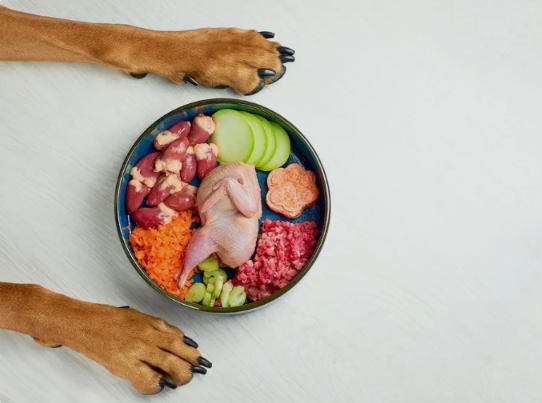
So what actually works?
Not trends.
Not viral advice.
Not whatever is popular this year.
What works is consistency.
A balanced diet with the right mix of nutrients.
Proper portion sizes.
Clean, accessible water.
And regular check-ups with a veterinarian who understands your dog’s specific needs.
Because here’s the reality most people miss:
There is no one “perfect” diet for every dog.
Every dog is different.
Age, breed, health conditions, activity level—all of it matters.
What works for one dog might not work for another.
And that’s why the best decisions don’t come from trends.
They come from understanding.
Understanding what your dog actually needs—not what sounds good online.
Understanding that simple, balanced, consistent care will always outperform extreme diets or quick fixes.
Because in the end, your dog isn’t reading labels.
They’re trusting you.
And the best thing you can give them isn’t the trendiest food on the shelf.
It’s the right one—for them.