Most people think of a dog show as a polished stage.
Dogs walking in circles.
Handlers in crisp outfits.
Trophies, ribbons, and applause.
And while that’s part of it, it barely scratches the surface.
Attending a dog show for the first time is less like watching a performance—and more like stepping into a completely different world built around structure, tradition, and a shared obsession with dogs at their very best.
And the surprising part?
Anyone can go.
Dog shows aren’t private events reserved for professionals. They’re open to the public, and they’re designed to be watched, learned from, and enjoyed by everyday dog lovers.
Whether you’re curious about breeds, training, or just want a different kind of day out, you’re welcome ringside.
At the center of it all is something called conformation—the official term for dog shows.
But despite the “beauty pageant” appearance, it’s not about comparing dogs against each other.
It’s about comparing each dog to a written standard for their breed.
Structure. Proportion. Movement. Temperament. Everything is measured against what that breed is supposed to be.
And that’s where things start to get interesting.
Because every breed tells a different story.
Some are built for speed.
Some for strength.
Some for work, endurance, or companionship.
A dog show is essentially a live showcase of those stories walking into the same space.
When you arrive, you’ll notice the atmosphere quickly.
It’s busy, but not chaotic in the way people expect.
Handlers are preparing dogs. Grooming is happening in designated areas. Conversations are constant—but focused.
And then, suddenly, everything goes quiet when a class enters the ring.
That’s when the judging begins.
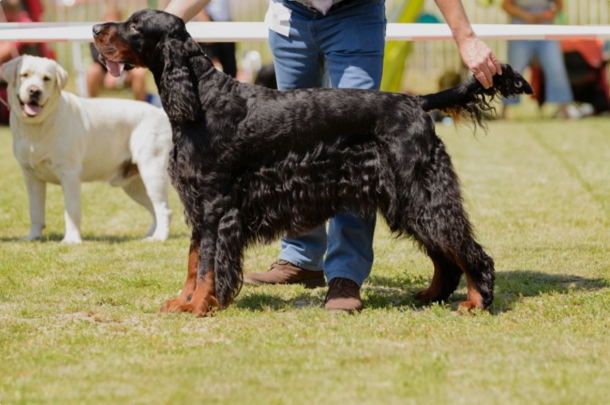
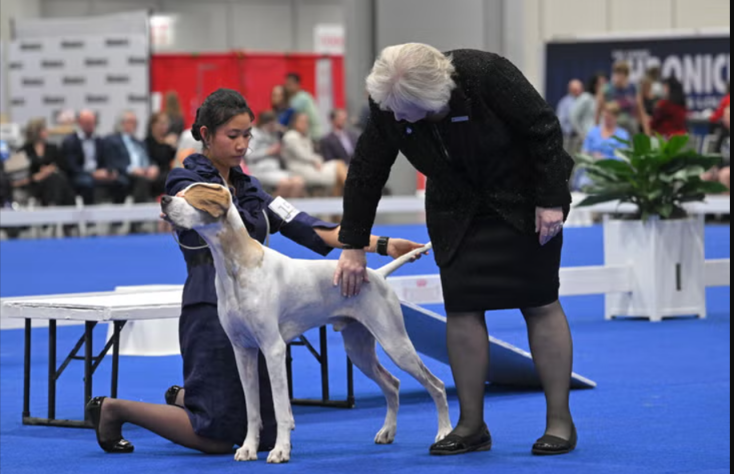
Dogs are brought in, lined up, and carefully assessed. They’re stacked—posed to show structure—and then moved in motion so judges can evaluate gait and balance.
It looks simple from the stands.
It isn’t.
Handlers spend years learning how to present dogs correctly, and dogs themselves are trained to remain calm under intense distraction.
But if you’re a spectator, you don’t need any of that training to enjoy it.
In fact, part of the experience is simply watching and learning.
You’ll start noticing differences between breeds you may have only seen casually before—how a movement, expression, or build changes depending on purpose.
A herding dog moves differently than a toy breed.
A working dog carries itself differently than a sporting dog.
It all becomes visible when you’re standing ringside.
And surprisingly, dog shows are also incredibly social.
People talk.
A lot.
Handlers, breeders, and enthusiasts are often happy to explain what you’re seeing—especially after they’ve finished in the ring.
Many enjoy sharing knowledge about their breed, training, or sport.
It’s one of the most welcoming parts of the environment if you’re genuinely curious.
There are also other events happening beyond the main conformation ring.
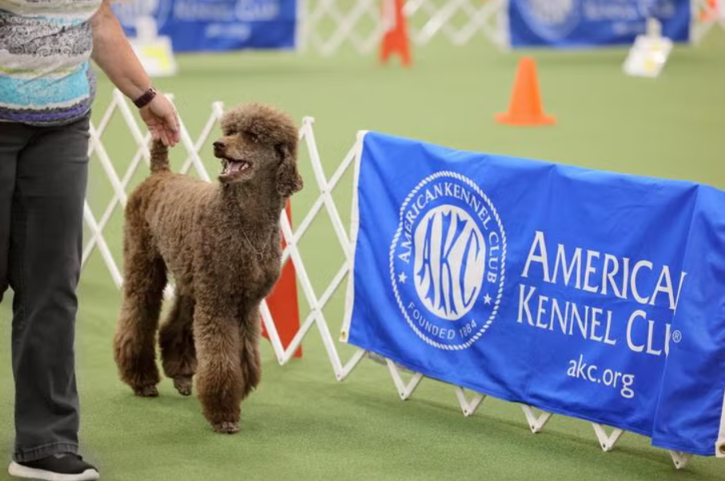
Depending on the show, you might see obedience trials, agility courses, scent work, or rally competitions all happening in the same venue.
So even if one ring isn’t your thing, there’s usually something else going on nearby.
Still, there are a few unwritten rules that matter.
You don’t approach dogs without asking.
You don’t interrupt handlers mid-competition.
And you don’t bring your own dog into the event space unless specifically allowed.
These aren’t strict rules for restriction—they’re about keeping dogs focused, safe, and comfortable.
Once you understand that rhythm, the whole experience changes.
What first looks like a formal competition starts to feel more like a living ecosystem—people and dogs working together in structured harmony.
And if you’re wondering whether it’s worth attending?
The answer is simple.
Yes.
Not because you’ll instantly understand everything.
But because you won’t.
And that’s the point.
Dog shows aren’t just about winners or rankings.
They’re about learning what “breed type” really means.
They’re about seeing generations of breeding decisions reflected in living, breathing dogs.
And they’re about discovering just how much depth exists in something most people think they already understand.
By the time you leave, you won’t just have seen a competition.
You’ll have seen a tradition.
And you’ll probably never look at dogs the same way again.