Most people volunteer because they want to make a difference.
They want to save a life.
Comfort an abandoned animal.
Help a shelter that’s stretched to its limits.
But here’s something many volunteers discover they never expected:
The animals end up helping them just as much.
Whether it’s walking an energetic shelter dog, cuddling a nervous kitten, or simply washing blankets for rescued animals, volunteering has a remarkable way of changing both the lives of the animals and the people who show up for them.
If you’ve ever thought, “I’d love to help, but I just don’t have the time,” you may be surprised to learn that volunteering can actually improve your mental and physical well-being—even if your schedule is already packed.
Research has consistently found that people who volunteer often experience lower stress levels, greater life satisfaction, and an improved sense of purpose.
Some studies have even linked regular volunteering to better cardiovascular health and lower rates of high blood pressure in older adults.
Rather than feeling overwhelmed by giving their time, many volunteers report feeling happier and more energized.
At first, that sounds backwards.
How can adding another commitment to an already busy life make you feel better?
The answer lies in purpose.
When you spend time helping someone who can’t repay you, something shifts.
The daily worries about work, deadlines, or endless to-do lists begin to fade into the background.
Instead, your focus moves to something wonderfully simple.
Making today a little better for an animal who needs you.
And that feeling is incredibly powerful.
Animal shelters and rescue organizations depend heavily on volunteers because there are countless jobs that need doing every day.
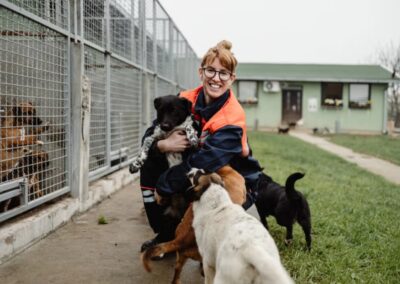
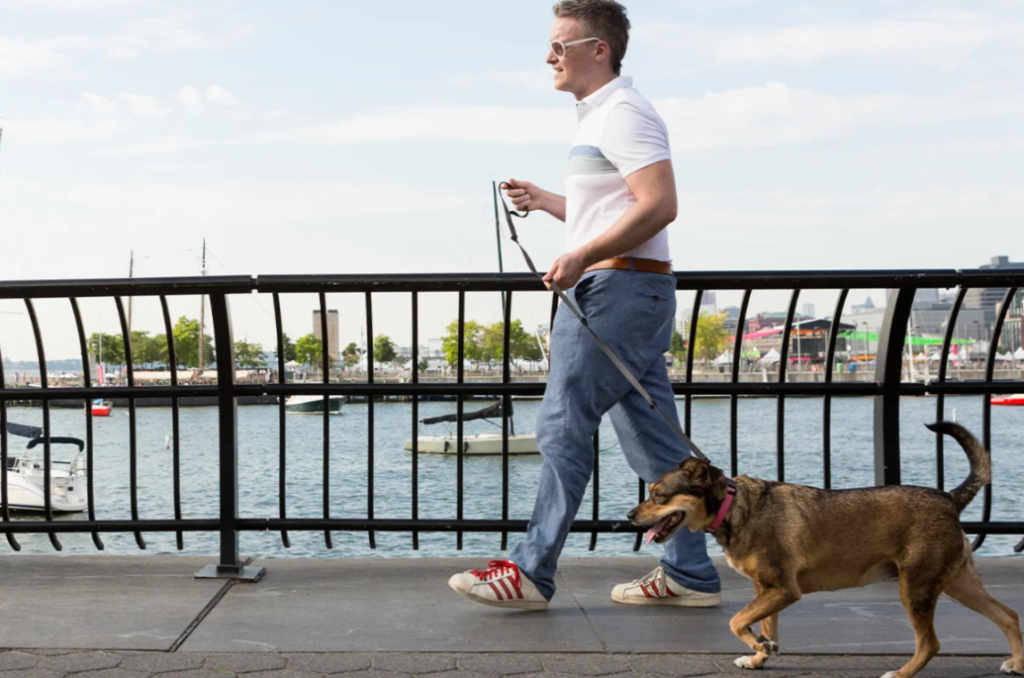
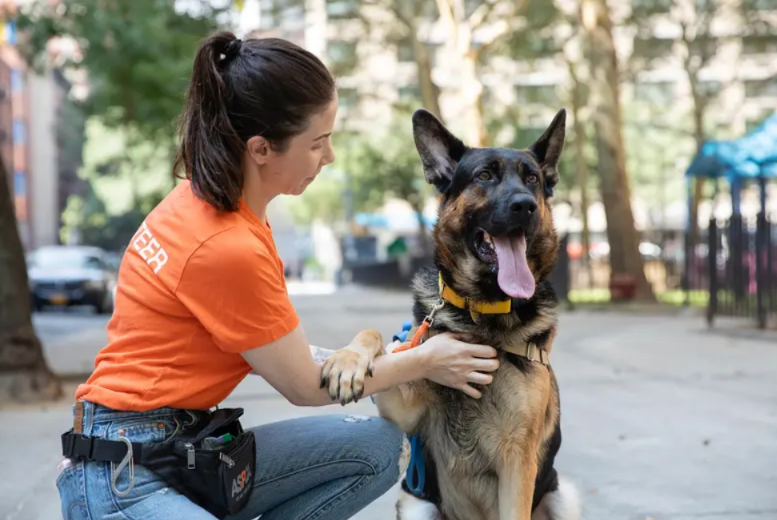
Some volunteers walk dogs.
Others socialize shy animals so they’re more comfortable meeting potential adopters.
Some clean kennels, fold laundry, organize donated supplies, transport animals to veterinary appointments, or foster pets in their own homes until permanent families are found.
Not every role involves cuddling puppies all day.
But every role matters.
Even spending a few hours each month can have a meaningful impact on an animal waiting for a second chance. Many organizations intentionally offer flexible opportunities so people can contribute in ways that fit their schedules, whether that’s helping at a shelter, fostering from home, or supporting fundraising and advocacy efforts.
One of the biggest misconceptions about volunteering at a shelter is that it’s emotionally draining all the time.
Of course, there are difficult moments.
Seeing neglected or abandoned animals can be heartbreaking.
But ask long-time volunteers why they keep coming back, and most will tell you the same thing.
The joyful moments far outweigh the sad ones.
Watching a frightened dog slowly learn to trust again.
Seeing a litter of puppies grow stronger each week.
Celebrating the day an animal finally walks out the shelter doors with their forever family.
Those are the moments volunteers carry with them.
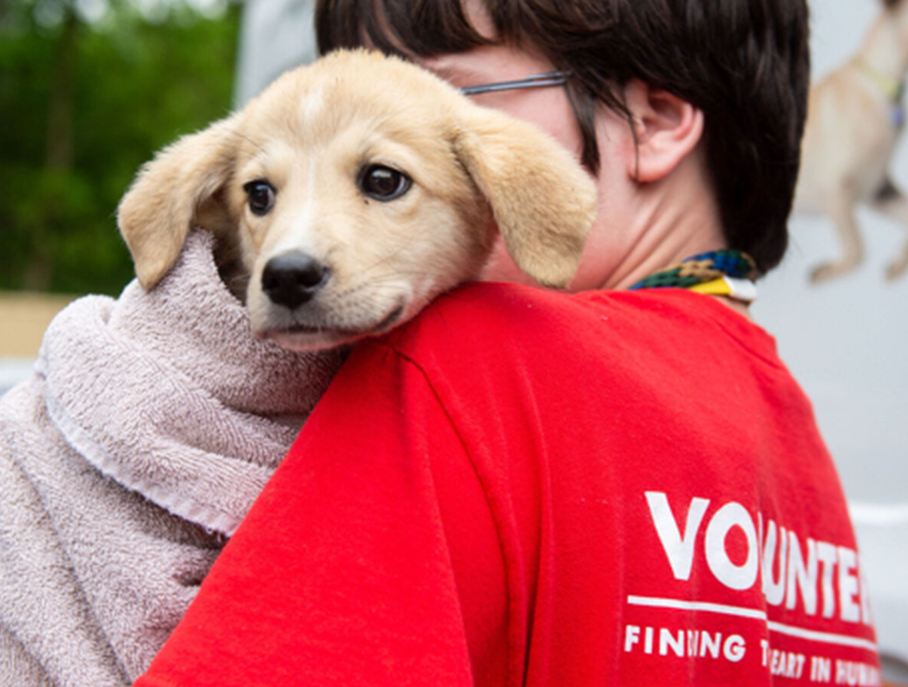
Many say there’s nothing quite like watching an animal’s life change for the better—and knowing you played a small part in that journey.
Volunteering can also introduce you to an incredible community of people.
Animal lovers tend to have one thing in common: compassion.
Shelters often become places where lifelong friendships are formed, united by a shared goal of helping animals in need.
Together, volunteers celebrate adoptions, support one another through difficult rescues, and remind each other why the work matters.
And while the animals receive food, medical care, exercise, and affection, volunteers often leave with something equally valuable.
Perspective.
Gratitude.
A renewed sense of purpose.
It’s no surprise that many volunteers describe their shifts as the highlight of their week.
Helping an anxious dog relax.
Watching a once-timid cat ask for affection.
Seeing an animal begin to trust again.
Those moments have a way of putting life’s everyday stresses into perspective.
If you’ve been thinking about getting involved, remember this:
You don’t have to commit every weekend.
You don’t need special experience.
And you certainly don’t have to save every animal.
You only have to help the ones you can.
Whether that’s walking one dog.
Fostering one litter.
Sorting donations for an afternoon.
Or simply spending time with an animal who needs a friend.
Every act of kindness matters.
The truth is, volunteering isn’t just about changing an animal’s future.
It’s about changing your own.
You’ll go in hoping to make a difference in a dog’s life.
But don’t be surprised if you leave realizing that the dog made just as much of a difference in yours.