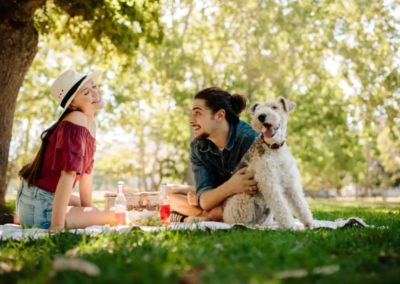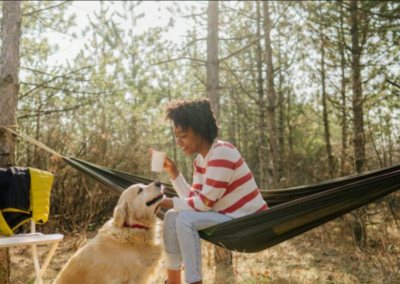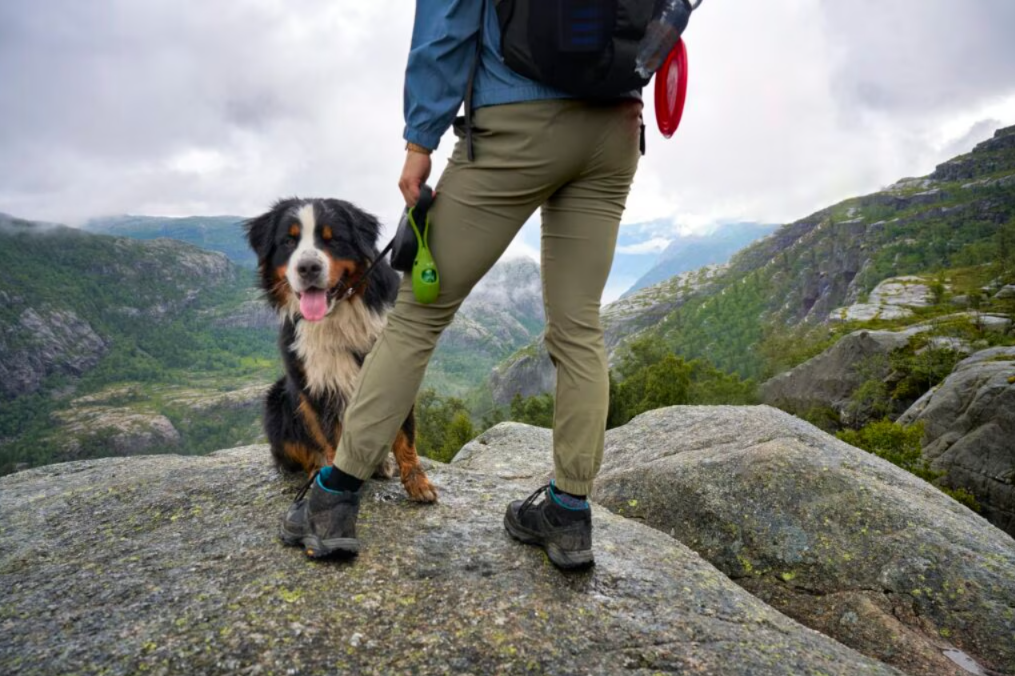
Hiking with your dog sounds simple.
Leash up. Head out. Let them explore.
But the truth?
A trail isn’t just a longer walk.
It’s a completely different environment—with risks your dog isn’t always prepared for.
And the difference between a great adventure… and a dangerous one often comes down to what you do before you even leave the house.
Step One: Not Every Dog Is Built for Every Trail
This is where most people get it wrong.
They assume if their dog loves walks, they’ll love hikes.
But hiking demands more—physically and mentally.
Before you go, you need to consider:
- Your dog’s breed and energy level
- Their age and overall health
- Their experience with longer distances or rough terrain
Some dogs thrive on long, rugged hikes. Others are better suited for shorter, low-impact trails.
And ignoring that difference?
That’s where problems start.
Step Two: The Trail Matters More Than You Think
Not all trails are dog-friendly.
Some don’t allow dogs at all. Others technically allow them—but include hazards like steep climbs, slippery rocks, or intense heat exposure.
That’s why planning ahead is critical.
You’re not just choosing a destination.
You’re choosing an environment your dog has to survive in.
If the trail doesn’t match your dog’s ability, it’s not an adventure.
It’s a risk.
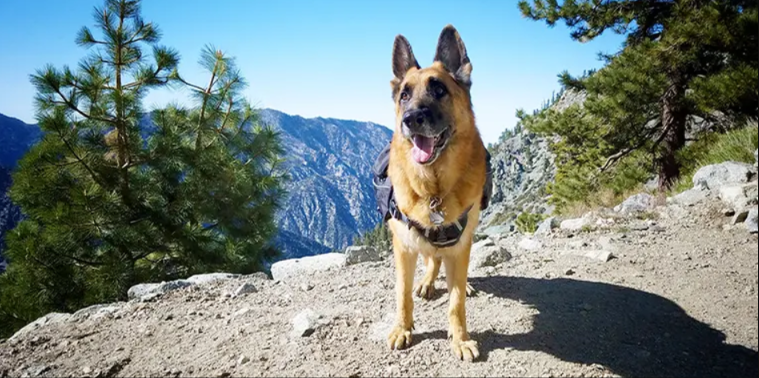
Step Three: What You Bring Can Save You
Most people pack for themselves.
Very few pack properly for their dog.
That’s a mistake.
At minimum, your dog needs:
- Fresh water and a collapsible bowl
- A leash and secure harness
- Food or treats for longer hikes
- Poop bags
- A basic first-aid kit
Because once you’re on the trail, there’s no quick fix.
No store.
No backup.
Just what you brought with you.
Step Four: Heat Is the Silent Danger
Dogs don’t sweat like humans.
They cool down by panting—which makes them far more vulnerable to overheating.
That means a hike that feels “warm but manageable” to you… can be dangerous for them.
Watch for signs like:
- Excessive panting
- Drooling
- Weakness
- Vomiting or collapse
If you see these, stop immediately, move to shade, and cool your dog down.
Better yet—avoid the risk entirely.
Hike early in the morning or later in the evening when temperatures are lower.
Because once heat exhaustion starts, it escalates fast.
Step Five: Keep Them on a Leash—Always
Even the most well-trained dogs can get distracted.
A scent.
A sound.
A sudden movement in the bushes.
And in seconds, they’re off trail.
That’s not just disobedience—it’s danger.
Wildlife encounters, cliffs, or getting lost are all real risks. Keeping your dog leashed gives you control when it matters most.
Freedom feels nice.
But safety matters more.
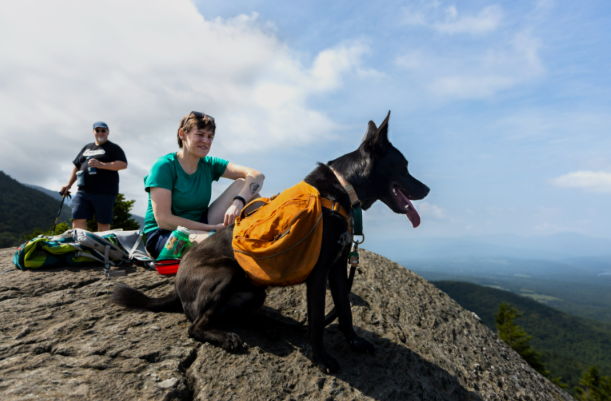
Step Six: Protect Their Paws
Your dog’s paws aren’t invincible.
Sharp rocks, rough terrain, and hot surfaces can cause real injuries—ones that can end your hike instantly.
Some owners use:
- Dog boots
- Paw wax
These act as a barrier against cuts, burns, and irritation.
Because once a paw is injured…
Your dog isn’t walking back easily.
Step Seven: Watch Your Dog, Not the View
It’s easy to get distracted on a beautiful trail.
But your job isn’t just to enjoy the hike.
It’s to monitor your dog.
Watch for signs of:
- Fatigue
- Slowing down
- Loss of interest
- Struggling to keep up
These aren’t minor details.
They’re warnings.
And the smartest thing you can do in those moments?
Turn back.
Because finishing the hike doesn’t matter.
Getting home safely does.
Step Eight: The Hike Isn’t Over When You Get Home
After the trail, your job isn’t done.
Check your dog for:
- Ticks or parasites
- Cuts or debris in paws
- Signs of dehydration
Make sure they drink water, rest, and recover properly.
Because sometimes, the effects of a hike don’t show up until later.
The Real Difference Between a Good Hike and a Bad One
It’s not the distance.
Not the view.
Not even the trail.
It’s preparation.
Because hiking with your dog isn’t about pushing limits or chasing adventure.
It’s about sharing an experience—safely.
When you plan properly, pay attention, and respect your dog’s limits…
The trail becomes what it’s supposed to be:
Not a test.
But a memory.