When a beloved pet goes missing, time doesn’t just pass—it stretches.
Every hour feels heavier than the last. Every empty space in the house becomes a reminder of what’s not there.
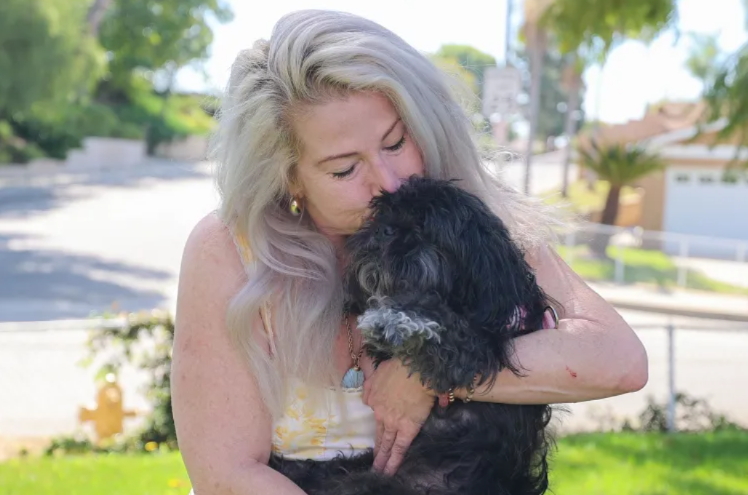
That was the reality for one California pet parent after her senior dog disappeared without warning.
The dog, an elderly companion deeply bonded with her owner, went missing after a simple accident at home—a door left open during routine maintenance. In seconds, a familiar space became unfamiliar, and the dog slipped out unnoticed.
What followed was a search that became part routine, part heartbreak.
Flyers went up.
Neighbors were asked.
Shelters and vets were contacted.
And still—nothing.
Days turned into weeks.
And weeks began to feel like the answer might never come.
But the owner didn’t stop looking.
She expanded her search beyond streets and shelters and turned to something new: a digital lost-pet platform that uses photo-matching technology to scan shelter records and found-pet reports across the country.
All it needed was one thing.
A photo.
So she uploaded it.
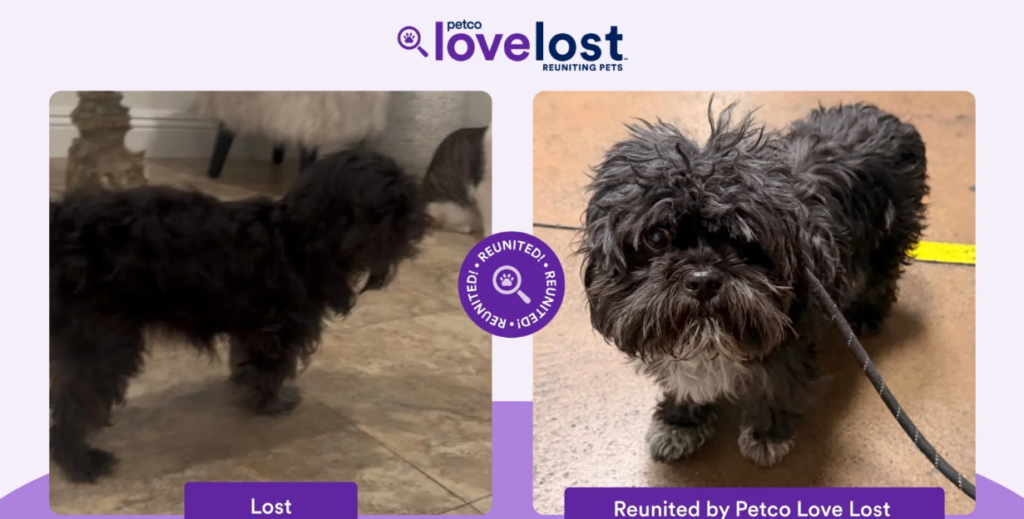
A simple image of her missing dog, entered into a database designed to connect lost pets with the places they might have been taken in.
The system uses visual recognition—comparing fur patterns, facial structure, and body features against newly found animals in shelters and community reports.
Then she waited.
And kept checking.
For nearly two months, there was nothing.
No alerts. No matches. Just the same quiet uncertainty.
Until one day, everything changed.
An email arrived.
A possible match.
At first, it didn’t feel real. But when she opened it and saw the image, there was no doubt.
It was her dog.
The match came from a shelter more than 30 miles away, where the dog had been taken after being found alone on the street.
Somehow, through days of wandering and survival, she had made it that far from home.
And somehow, she had been found.
The moment confirmation hit, emotion took over completely.
Shock. Relief. Disbelief.
The kind of reaction that doesn’t come in words at first—only in the sudden realization that something lost is no longer lost.
When the reunion finally happened, the dog was dirty and tired from her time away, but otherwise safe. No major injuries. No severe weight loss.
Just the exhaustion of a journey no one had planned.
And then came the moment every pet parent waits for.
The return home.
At home, everything small suddenly felt important again.
Familiar rooms. Familiar smells. A body that finally settled after weeks of uncertainty.
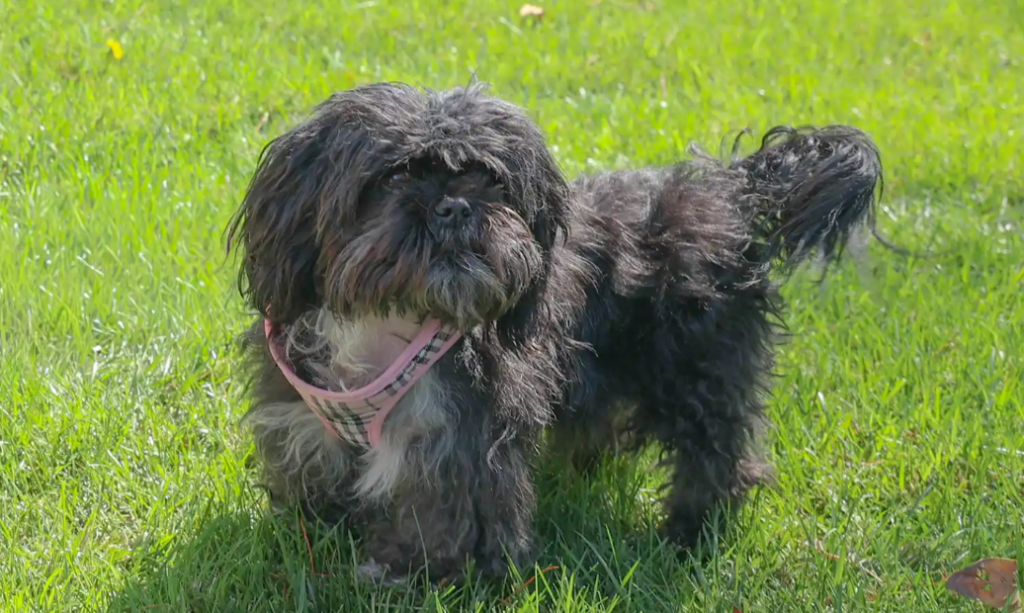
The first meal back was simple—but meaningful. A meal offered not as celebration alone, but as comfort. Something warm after too much time spent unsure.
And then, rest.
The kind of deep sleep that only comes when you’re finally safe.
Stories like this are becoming more common as technology changes how missing pets are found.
AI-based matching tools are now able to scan thousands of shelter and rescue images, identifying potential matches from subtle visual details that humans might miss.
It doesn’t replace searching.
It enhances it.
But even with advanced systems, the heart of the story doesn’t change.
A pet goes missing.
A family searches.
Hope fades and returns in cycles.
And then, sometimes—against all odds—something clicks.
A match appears.
And a door that felt closed opens again.
In the end, this isn’t just a story about technology.
It’s a story about persistence.
About a pet parent who never stopped looking.
And about a small dog who, against distance and time, found her way back home.